
This educational material is designed to help you understand a heart condition called Sinus Node Dysfunction (SND), often referred to as “Sick Sinus Syndrome”.
What is Sinus Node Dysfunction?
The sinus node is your heart’s natural pacemaker. It is a small cluster of cells located in the upper right chamber of the heart (the right atrium).
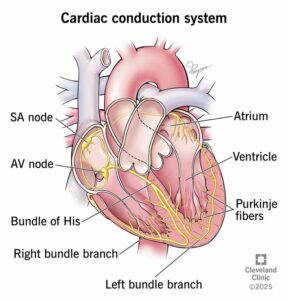
- Job of the Sinus Node: Its primary function is to generate the electrical impulses that trigger your heart muscle to contract and pump blood. This impulse sets the rhythm for your heartbeat.
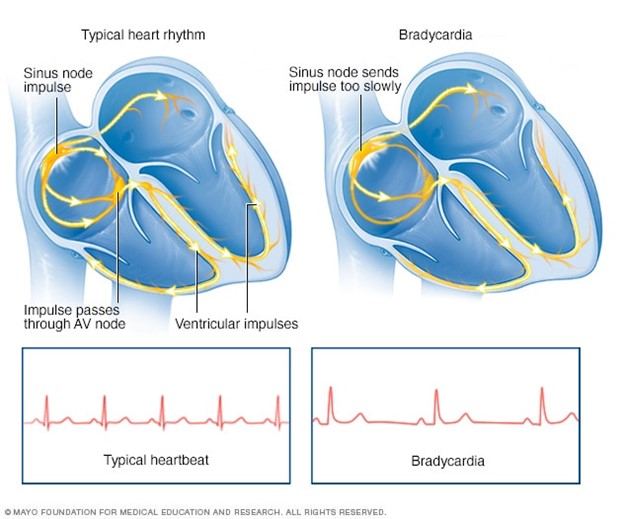
- The Problem: Sinus Node Dysfunction occurs when this natural pacemaker malfunctions. It can start sending out electrical signals that are too slow, too fast, or at times pause. It can fail to increase heart rate when needed, e.g. during exercise.
- Result: When the rhythm is disrupted, the heart may not be able to pump enough blood to the body, leading to symptoms.
Why does Sinus Node Dysfunction occur?
The most common cause of sinus node dysfunction is the buildup of scar tissue, known as fibrosis, within the sinus node over the years, likely from natural wear and tear. Rarely, sinus node dysfunction can be associated with a genetic mutation or with specific diseases such as lupus or sarcoidosis, which cause inflammation of the sinus node. Certain medications, such as beta blockers– which are commonly used to treat high blood pressure or heart problems– can also mimic sinus node dysfunction by slowing your heart rate or preventing your heart rate from increasing during exercise. However, this effect is due to the medication acting on your sinus node and is not necessarily a sign of sinus node dysfunction.
Common Symptoms of Sinus Node Dysfunction
The symptoms of SND are generally related to the heart beating too slowly (a condition called bradycardia) or pausing, which means the brain and body aren’t getting enough oxygenated blood.
- Fatigue/Weakness: Feeling unusually tired or lacking energy, even with rest.
- Dizziness or Lightheadedness: A feeling of being woozy or about to faint.
- Fainting (Syncope): A temporary loss of consciousness, which can be very serious.
- Shortness of Breath: Difficulty catching your breath, especially during exercise or activity.
***Important: If you experience frequent dizziness, fainting, or severe shortness of breath, you should seek medical attention immediately.
How is Sinus Node Dysfunction treated?
If you are taking medication that can slow down your sinus node or prevent your heart rate from increasing during activity, your doctor may recommend stopping this medication to determine if it is the cause of your symptoms. Stopping medication that affects the sinus node may allow your heart rate to return to normal if the medication is responsible. However, if you are not on such medication or no reversible cause is identified, your doctor may suggest implanting a pacemaker. A pacemaker can take over the job of regulating your heart rate, helping to relieve symptoms such as fatigue, dizziness, or lightheadedness associated with sinus node dysfunction.
When Can a Pacemaker Help?
A pacemaker is a small, battery-powered device implanted under the skin near the collarbone. It uses wires (leads) that go to the heart muscle.
The Pacemaker’s Role:
A pacemaker takes over the job of the malfunctioning sinus node.
- It constantly monitors your heart rhythm.
- If your heart beats too slowly or if there is a long pause, the pacemaker sends a tiny electrical impulse to the heart muscle.
- This impulse forces the heart to contract, ensuring a steady and adequate heart rate.
Indications for a Pacemaker in SND:
A pacemaker is typically recommended when a patient has symptomatic bradycardia (a heart rate that is too slow and is causing noticeable symptoms).
- Symptomatic Bradycardia: Your heart rate is consistently too slow, causing fatigue, dizziness, or lightheadedness.
- Syncope (Fainting): SND is determined to be the cause of one or more fainting episodes.
- Tachycardia-Bradycardia Syndrome: A form of SND where the heart alternates between being too fast (tachycardia) and too slow (bradycardia or pauses). The pacemaker helps prevent the slow heart rate that follows the fast episode.
A pacemaker is a very effective and common treatment for SND and can dramatically improve a patient’s quality of life by eliminating or reducing symptoms.
If you have difficulty increasing your heart rate during exercise because of sinus node dysfunction, pacemaker can help to increase your heart rate appropriately as well.
Altru. Sick Sinus Syndrome. https://www.altru.org/health-library/conditions/sick-sinus-syndrome