

What is Ventricular Tachycardia?
Ventricular tachycardia (VT) is a fast abnormal heart rhythm that starts in the lower chambers of the heart (ventricles).
This educational video has been chosen by our cardiology team. Suggested or related videos displayed by the video provider are outside of our control and do not represent the views or endorsements of our physicians or clinic.
What does it feel like?
VTs can happen in people with normal hearts, but they are more common if you already have heart disease such as heart artery blockages or weak heart muscle. If you feel them, people often describe a sensation as
- Feeling your heart race or flutter
- Chest pressure or discomfort
- Feeling very tired
- Trouble breathing
- Feeling dizzy or faint
How do Doctors Find Them?
Tests may include:
- ECG with VT: Records your heartbeat
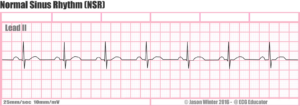
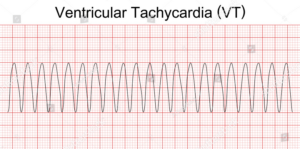
- Echo: Ultrasound of the heart
- Heart monitor: Worn at home to check your rhythm
- EP Study: An invasive test to look at the heart’s electrical system.
Are They Dangerous?
VTs can sometimes cause fainting or be dangerous if they last a long time and may lead to cardiac arrest.
Can I change my lifestyle to prevent VTs?
It may (with the following recommendations), but generally it requires treatment of the abnormal rhythm or the underlying heart condition in addition to lifestyle changes.
- Eat a heart-healthy diet (fruits, vegetables, lean proteins, less salt and sugar)
- Exercise regularly (as your doctor allows)
- Avoid smoking, alcohol, and caffeine
- Keep electrolytes like potassium or magnesium at normal levels
How Are VTs Treated?
- Emergency Care: Sometimes a shock is needed to reset the heartbeat
- Long-term Care:
- Medicines to control the rhythm
- Catheter ablation: A procedure that targets the part of the heart causing the abnormal rhythm
- Defibrillator: A small device placed in the chest that can give a shock if a dangerous rhythm happens
Medicines That May Be Used
Medications (Anti- Arrhythmic Drugs)
- Beta-blockers and Calcium channel blockers: These are often the first medications doctors try. They work by slowing the heartrate and making the heart muscle less exciting, which helps to regulate the rhythm. They are often used to treating high blood pressure as well.
- Other Anti-Arrhythmic Medications (e.g. Sotalol, Amiodarone): If the first-line medications are not effective, your doctor may recommend stronger drugs. These medications specifically work on the electrical system of the heart to prevent abnormal heart rhythm.
Beta Blockers (Like metoprolol, carvedilol):
- Metoprolol succinate (Toprol), metoprolol tartrate (Lopressor), atenolol (Tenormin)
- Beta-blockers slow your heartrate and lower your blood pressure (often used as blood pressure controlling agent).
- Potential side-effects can be fatigue, shortness of breath (especially if you have history of lung problems such as asthma or COPD (Chronic Obstructive Pulmonary Disease), dizziness/lightheadedness, especially if it slows down your heart rate or lowers your blood pressure too much. At higher doses, some may experience weight gain, erectile dysfunction, and depression.
Calcium channel blockers
- Diltiazem (Cardizem), verapamil (Calan)
- Calcium channel blockers also lower your blood pressure (often used as blood pressure controlling agent).
- Potentially side-effects include ankle/feet swelling, constipation, dizziness/lightheadedness, especially if your blood pressure gets too low.
Potassium Channel blockers (like sotalol, amiodarone):
- Sotalol (Betapace), Amiodarone (Cordarone)
- These medications can sometimes slow down your heartrate too much and are usually not used in patients whose heartrate is already slow at baseline (e.g. less than 60 beats per minute).
- These medications can also rarely cause a dangerous arrhythmia called Torsade’s de pointe. This is more likely in patients with very slow heartrates or have underlying structural heart disease. It rarely occurs if you are screened and monitored appropriately. ECG needs to be monitored before and after starting these medications to make sure there is no abnormal change (QT prolongation).
- Amiodarone is by far the most effective rhythm controlling medication that we have. However, it has several potentially serious side-effects and toxicities, especially when used at a higher dose for extended periods. This medication requires close monitoring routine blood testing, chest x-ray, eye exam, and close follow-up visits. When used properly, this can be an immensely helpful medication for patients with refractory or advanced stages of atrial fibrillation. Amiodarone can cause sensitivity to sun. When taking amiodarone, you should use strong sunscreen and consider wearing a hat and long sleeves when possible.
What Is Catheter Ablation?
Catheter ablation is a procedure where doctors use thin wires to send energy to the part of the heart causing arrhythmia. This can stop the abnormal rhythm, especially if medicines don’t help.
This educational video has been chosen by our cardiology team. Suggested or related videos displayed by the video provider are outside of our control and do not represent the views or endorsements of our physicians or clinic.
Can VT be prevented?
Treating heart disease that causes VTs can lower the risk. Medicines or ablations may also prevent them from coming back.
How Does a Defibrillator Help?
If you have fainted from a fast heart rhythm called VT (ventricular tachycardia), or if your doctor thinks you are at high risk of having it, you may need a defibrillator.
A defibrillator is a small device placed in your chest. It can sense dangerous heart rhythms and quickly send a small shock to your heart. This helps restore your normal heartbeat and prevents fainting or heart damage.
This educational video has been chosen by our cardiology team. Suggested or related videos displayed by the video provider are outside of our control and do not represent the views or endorsements of our physicians or clinic.
Where can I learn more about Ventricular Tachycardia?
Mayo Clinic: Ablation Treatment for VT (Part 1)
Mayo Clinic: Ablation Treatment for VT (Part 2)